Projects & Products
From discovery to delivery, or the specific phase noted, these are a selection of various personal and professional projects or products I’ve led over the course of my career in product. Each entry captures the challenge that was real, the solution we decided, and the outcomes that came after.
My learnings at the bottom of each card are the part I find most useful to share out loud!
Trusted By:



Hyatt: Consents & Preferences Content Management
Client/Employer:
Hyatt Hotels Corporation
Industry:
Hospitality / Legal
Type:
Headless CMS & Frontend API Integration
Technologies:
Adobe Experience Manager (AEM), React, GraphQL, Adobe Analytics
Lifecycle Stages:
Discovery, Strategy, Design, Development, Launch
Timeline:
August 2025 - March 2026
-
Consents and legal preferences are among the most sensitive content on Hyatt's global platforms. Each consumer-facing application was independently hardcoding changes to this content — creating legal risk, inconsistency, and a slow, fragile update process that couldn't scale across a global footprint.
-
Migrated all Consents & Preferences content into Adobe Experience Manager (AEM) as a headless CMS, establishing a single source of truth. Implemented versioning, approval workflows, and GraphQL delivery so that compliant, consistent content could be updated in real time across all downstream applications — without a code deployment!
-
Enabled real-time headless content management and GraphQL delivery across all consumer-facing Hyatt applications. This cut the time to manage and approve new legal copy from a 10+ days process down less than <48 hours (including the approval process).
-
Legal and compliance work doesn't get glamorous product briefs — but the stakes are just as high as any consumer feature. This project reinforced that content governance is a product problem, and that a well-designed CMS architecture is one of the highest-leverage investments a digital organization can make.
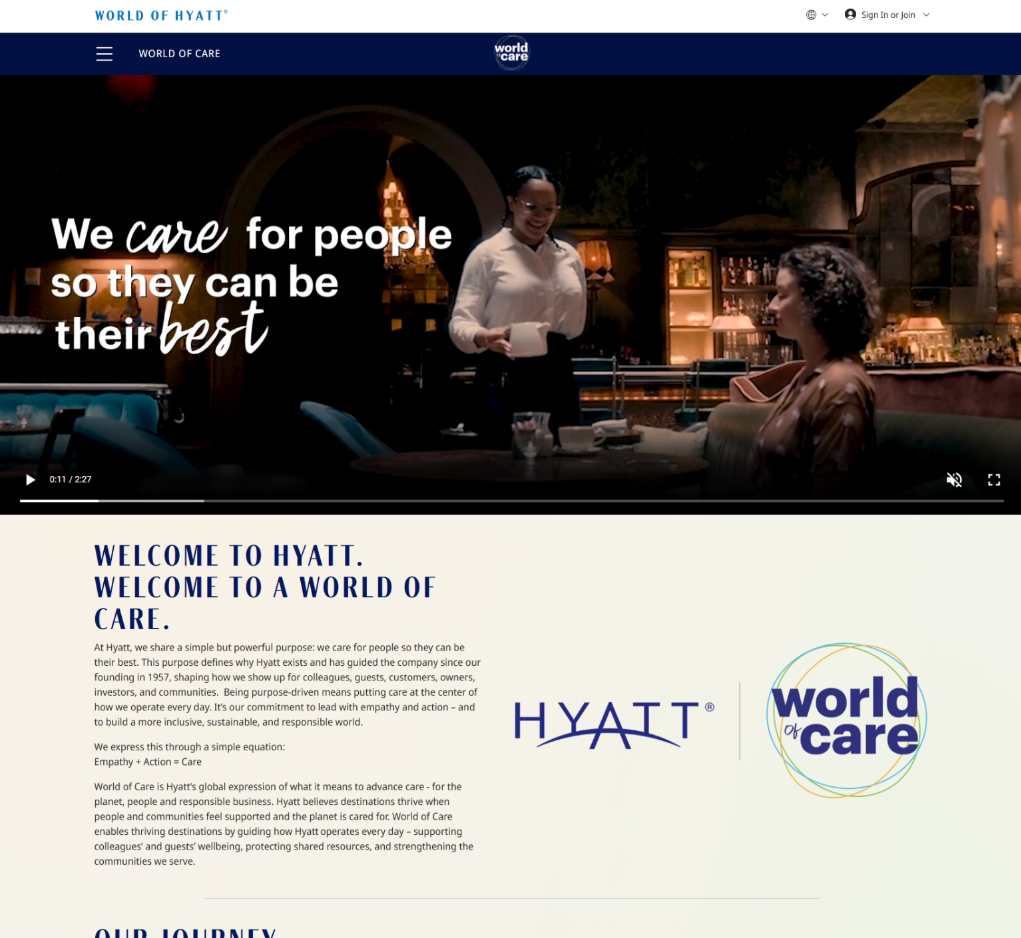
Hyatt: Loyalty Content Migration & Management
Client/Employer:
Hyatt Hotels Corporation
Industry:
Hospitality / Loyalty
Type:
Enterprise Content Management & Data
Technologies:
Adobe Experience Manager (AEM), React, GraphQL, Adobe Analytics
Lifecycle Stages:
Discovery > Strategy > Design > Develop
Timeline:
June 2025 - May 2026
-
Hyatt's loyalty program content was housed in a legacy CMS system on the verge of being deprecated by its provider — creating an urgent migration timeline with no room for a simple lift-and-shift. The risk wasn't just technical; poor data structure in the legacy system meant a direct migration would bake in years of accumulated content debt.
-
Rather than a lift-and-shift, I led my team in a structured migration that used the urgency as an opportunity: we worked directly with stakeholders to re-architect content schemas, improve data structure, and establish operational processes that would serve the team long after migration. The result was a cleaner, more maintainable content foundation in AEM.
-
11% decrease in call center support tickets within 90 days. Improved self-service content discoverability and issue resolution across loyalty program touchpoints.
-
Migrations are rarely just technical projects — they're organizational change projects. Getting stakeholders to invest in structural improvement during a crisis requires trust and clear communication about long-term ROI. We started with the Contact Us pages, and the 11% call center reduction was validation that the upfront investment in better content architecture paid off faster than anyone expected.
StoryForge: AI-Assisted Book Design & Publishing
Client/Employer:
Myself (Personal Project)
Industry:
Online Marketplace / Consumer SaaS
Type:
AI-Assisted Web App & Physical Distributor
Technologies:
Replit Code Assistant, n8n, ChatGPT API, PayPal Integration, Auth, Physical Print Partnerships
Lifecycle Stages:
Discovery > Strategy > Design > Develop
Timeline:
November 2024 - May 2025
-
My mom had always wanted to create a children's book for her grandkids — vivid ideas, real heart — but no design background and no accessible tool that could bridge that gap. Existing platforms were either too professional (Adobe), too generic (Canva), or didn't leverage AI in a meaningful way for story creation. I saw a gap worth building.
-
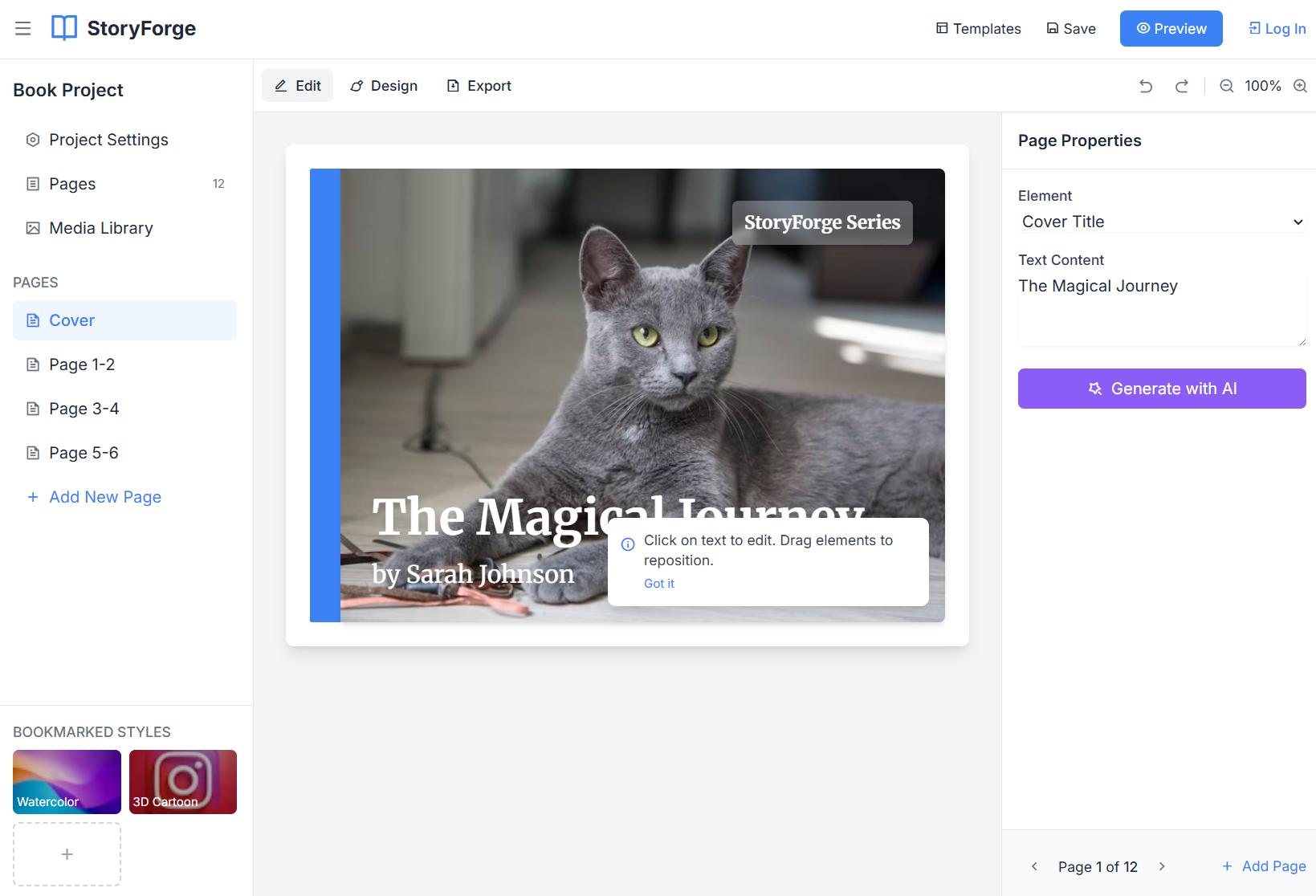
Using my product background alongside AI-assisted code tooling, I designed and built a working prototype of StoryForge — an AI-assisted children's book creation platform that allows non-designers to generate illustrated story pages, customize layouts, and move toward print-ready publishing. I used Replit as my primary build environment and integrated the ChatGPT API for story generation and Grok for visual direction.
-
Reached working prototype stage before finding a role with Hyatt. The project has not yet launched commercially! Stay tuned!
-
Building solo as a non-engineer gave me a deep new appreciation for what engineers deal with daily — and for how dramatically AI code tools have changed the calculus for PMs who want to build prototypes. I also learned that the gap between 'working prototype' and 'launchable product' is mostly about edge cases, error handling, and trust. The fun part goes fast. The polish takes time.
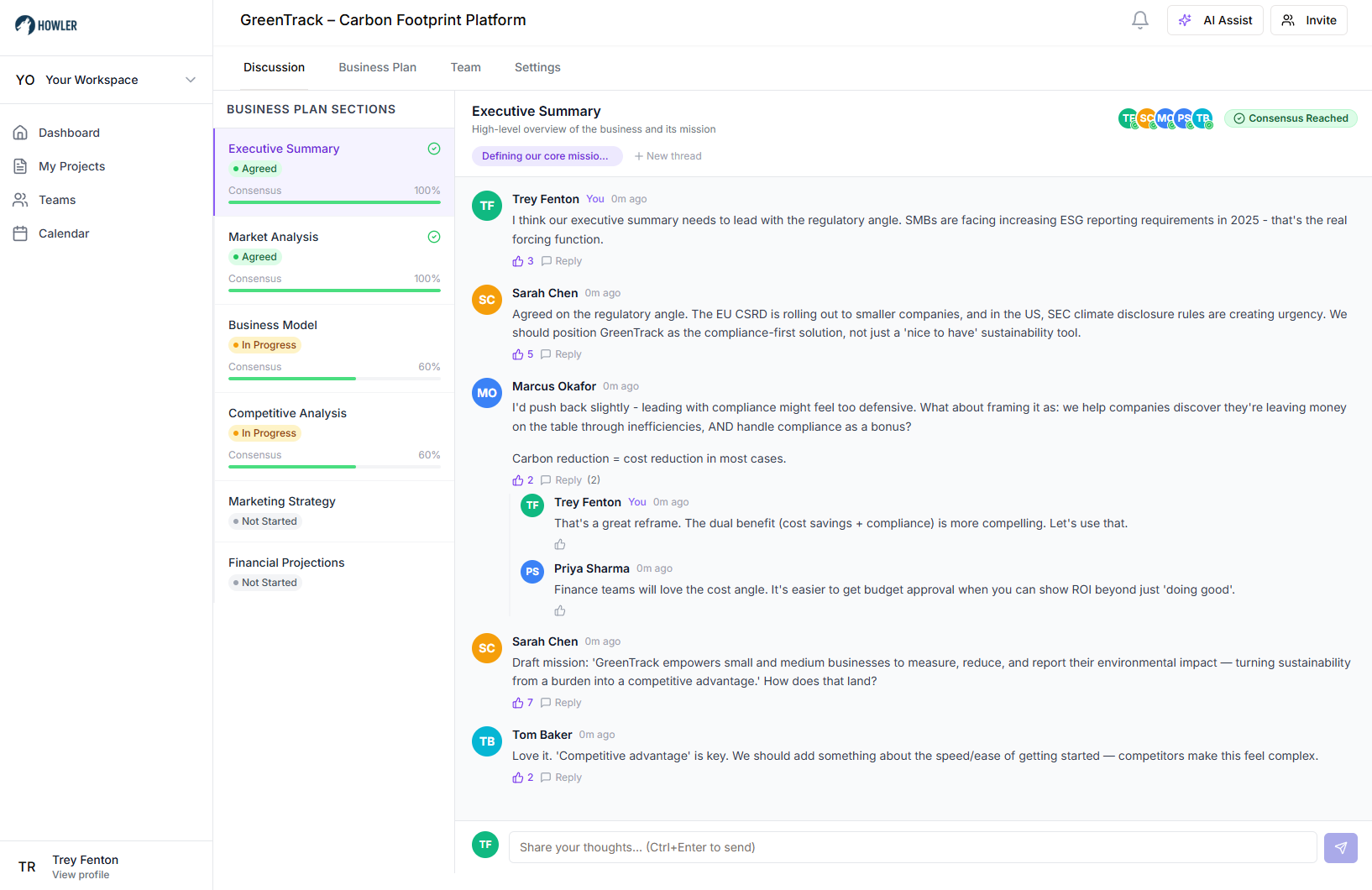
Howler: AI-Assisted Strategy Planning & Decision-Making
Client/Employer:
Myself (Personal Project)
Industry:
Project Planning / Corporate SaaS
Type:
Web App
Technologies:
Replit Code Assistant, n8n, ChatGPT API, OpenAI Codex, OAuth
Lifecycle Stages:
Discovery > Strategy > Design > Develop
Timeline:
November 2024 - May 2025
-
Having worked with dozens of organizations across my career, I kept running into the same dysfunction: stakeholder alignment failures driven by competing opinions with no structured process for surfacing, evaluating, and committing to ideas. Traditional planning tools (Confluence, Notion, email threads) created noise, not resolution.
-
Howler is an AI-assisted decision-making platform where stakeholders submit ideas and opinions to a structured thread, can comment and discuss, and ultimately vote on feasibility and interest. AI synthesizes themes across submissions, surfaces areas of convergence and conflict, and generates a recommended direction for teams to react to — turning chaotic input into actionable output.
-
Reached working prototype stage before finding a role with Hyatt. The project has not yet launched commercially! Stay tuned!
-
Howler came from a very real frustration I had as a PM — and building it validated the problem more than any research session could. Watching the prototype actually surface patterns from messy stakeholder input was one of those product moments where you feel the 'why' viscerally. I'd still like to finish it someday.
myBWXT: Enterprise Site & App for Field Employees

Client/Employer:
BWXT (via Rightpoint)
Industry:
Project Planning / Corporate SaaS
Type:
Mobile App (iOS/Android) & SharePoint Site
Technologies:
React Native, Azure AD, SharePoint API, Firebase Analytics, Microsoft Clarity
Lifecycle Stages:
Discovery > Strategy > Design > Develop > Launch
Timeline:
April 2024 - October 2024
-
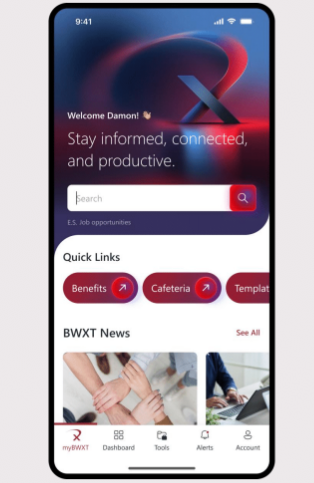
Security restrictions prevented BWXT's ~7,000 field employees from using Microsoft Viva on personal devices — creating a complete breakdown in corporate communications, no engagement visibility for leadership, and a workforce that felt disconnected from the organization they worked for.
-
Redesigned internal SharePoint Site and a parallel mobile app. Built a secure, MDM-enforced React Native application with Azure Active Directory authentication, role-based content delivery, and integrations with SAP, Microsoft Teams, and SharePoint. The app gave field employees a sanctioned, secure channel for corporate communications — and gave leadership real-time engagement analytics for the first time.
-
70% Monthly Active Users (vs. 65% target) · 72% 90-day retention · 82% employee approval rating · $44/user/year licensing savings · 100% security compliance achieved.
-
Security-constrained environments force you to be creative in ways that open environments don't. Every feature decision had to be weighed against compliance requirements, which made prioritization unusually clear. The 82% approval rating on a mandatory enterprise app was the metric I was most proud of — because it meant people actually liked using something they had no choice about.
Beiersdorf: Web Accelerator for Vendor Deductions Management
Client/Employer:
Beiersdorf (via Rightpoint)
Industry:
Consumer Packaged Good (CPG) / Retail Finance
Type:
Cloud-Based Process Automation Platform
Technologies:
Python, Selenium, React, .NET Core, Azure Service Bus, Azure Table Storage
Lifecycle Stages:
Discovery > Strategy > Design > Develop > Launch
Timeline:
February 2024 - August 2024
-
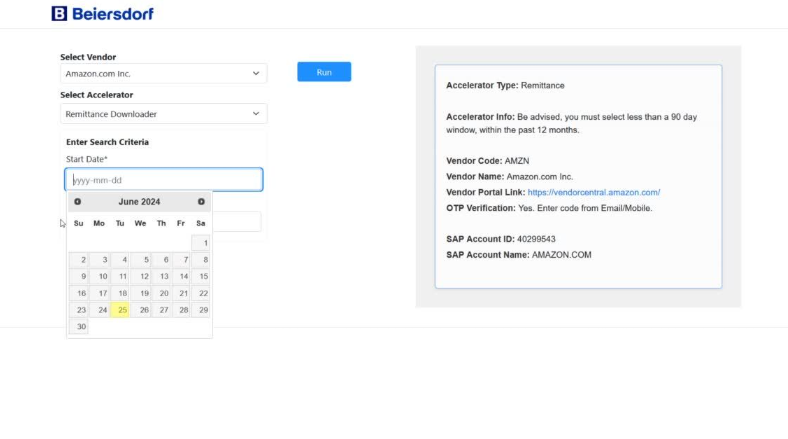
Beiersdorf's finance team was manually processing deduction claims across 18+ retailer and carrier portals — each with its own authentication requirements (CAPTCHA, OTP, MFA), data formats, and quirks. The process was slow, error-prone, and consuming significant FTE capacity that could be better used on analysis and resolution.
-
Architected a Python Selenium-based scraping system with portal-specific authentication handling, centralized via Azure Service Bus. Built a .NET monitoring and management UI with CI/CD pipelines — giving the finance team a single interface to manage and monitor all deduction workflows across every retailer and carrier.
-
$400K annual savings · 90% reduction in processing errors · 50% faster processing time · ~125 deductions processed per hour.
-
Automation projects live or die on edge case coverage. The 18+ portal variations meant there were nearly infinite ways for things to break in production — which meant the monitoring and alerting architecture was as important as the scraping logic itself. This project also reinforced that the best automation gives people back time for judgment, not just speed.
FIS Global: Dispute Claims Intake Platform
Client/Employer:
FIS Global (via Rightpoint)
Industry:
Financial Services / Banking
Type:
Web App & SDK
Technologies:
Figma and Lucidchart (Both for UI design and Architecture design)
Lifecycle Stages:
Discovery > Strategy > Design
Timeline:
March 2024 - June 2024
-
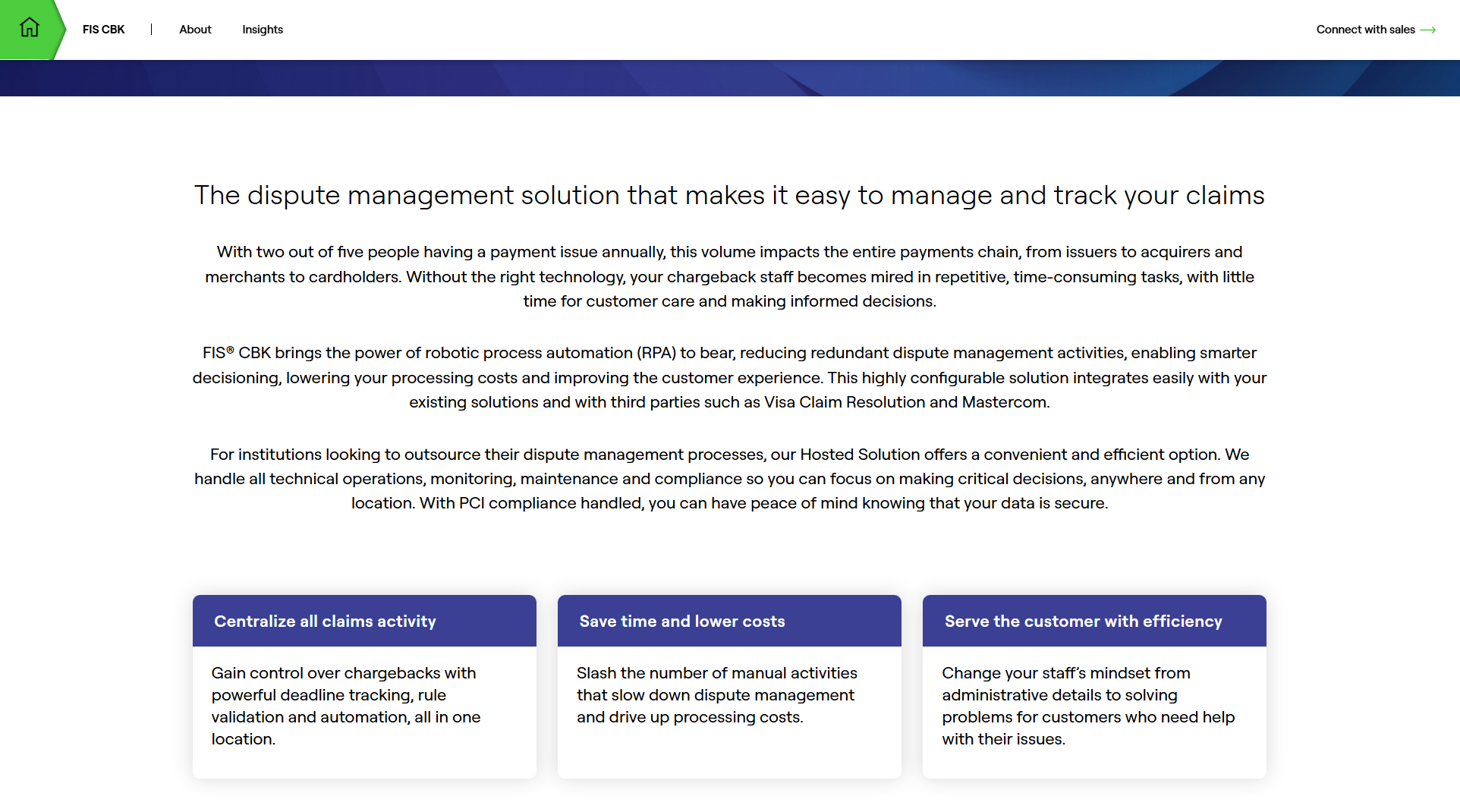
FIS's client financial institutions were processing fraud and dispute claims almost entirely through manual, phone-based channels. Cardholders had no self-service option, no visibility into claim status, and a high-friction experience during an already stressful situation. CSR operations were fragmented across disconnected systems with no unified workflow.
-
Designed a modular, dual-facing claims platform: a mobile-first cardholder self-service portal for submitting and tracking claims, and an internal CSR dashboard with integrated workflows connected to DRC, CardSuite, and EZCard. ML-driven fraud categorization surfaced initial claim routing automatically, reducing manual triage work at time of intake.
-
Projected impact: claim resolution time reduced from weeks to days · Significant call center volume reduction · Full PCI DSS, GDPR, and CCPA compliance built into design
-
This was a strategy and design engagement without a build phase, which required a different kind of discipline — being rigorous about specs and handoff documentation knowing I wouldn't be there for implementation. It also reaffirmed that financial services products demand an unusually high bar for trust design: every screen in the cardholder portal had to communicate security and competence, or users would default back to calling.
RS Americas: Conversion Rate Optimization (Search, PDP, Checkout)
Client/Employer:
RS Americas (via Rightpoint)
Industry:
E-Commerce / Industrial Distribution
Type:
Web (CRO Engagement)
Technologies:
React.js, Proto, Optimizely, Google Analytics
Lifecycle Stages:
Post-Launch Optimization & Experimentation
Timeline:
April 2023 - February 2024
-
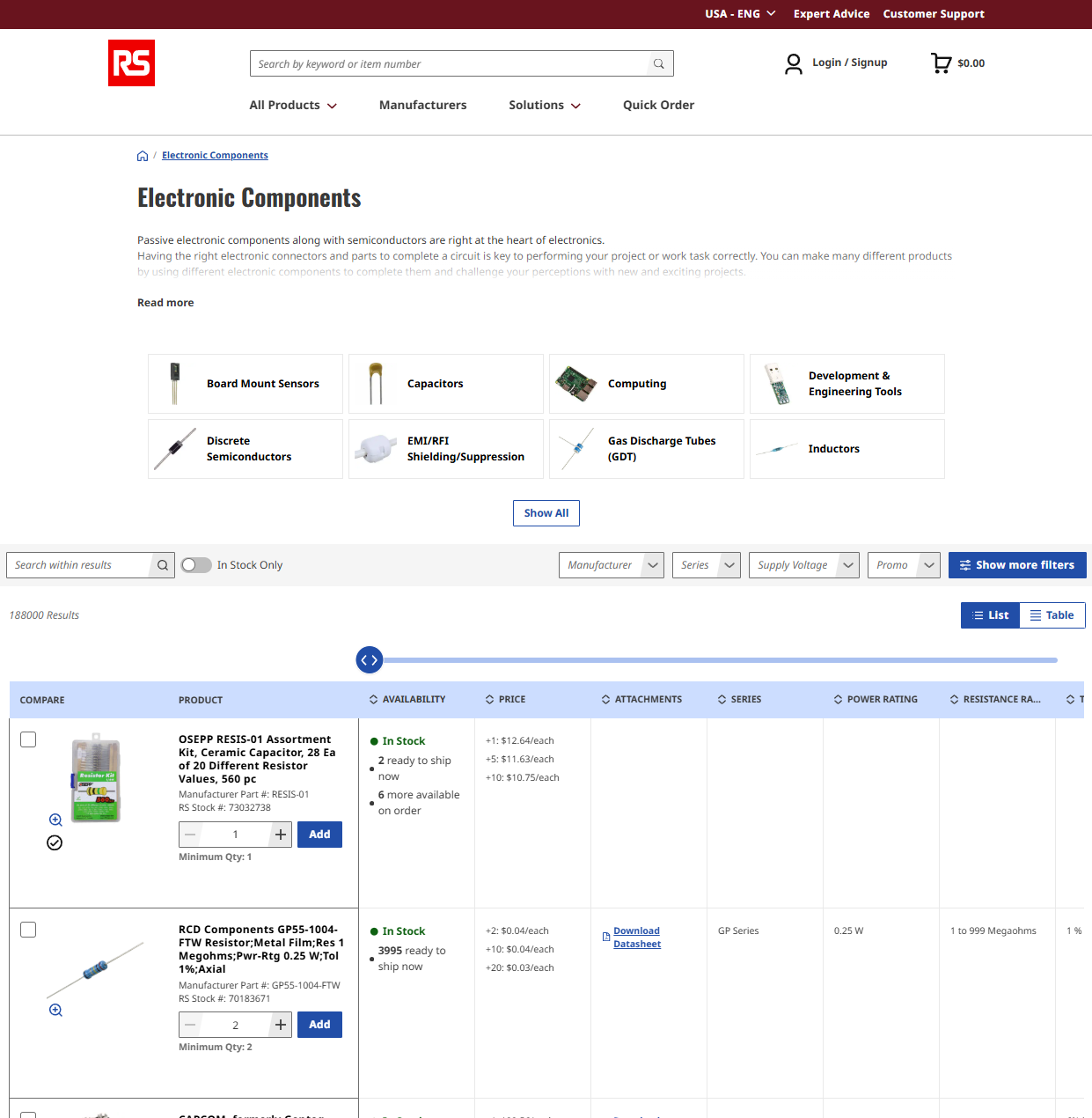
RS Americas was experiencing declining conversion rates across their e-commerce platform with no structured process for identifying root causes or validating improvements. Cart abandonment was high, search filtering was ineffective, and there was no systematic A/B testing culture or tooling in place.
-
Led Rightpoint's first PM-driven CRO engagement: began with competitive benchmarking and structured UX research via Userlytics to identify friction points, then built an iterative A/B testing pipeline using Optimizely. Key interventions included checkout flow consolidation, search filter redesign, and PDP improvements validated through task-based usability testing.
-
+12.5% overall conversion rate · −18% cart abandonment · +20% search success rate · SUS score of 81 (above industry benchmark) · −45 seconds average checkout task time · −15% search abandonment rate
-
CRO is where product instincts meet statistical rigor, and the balance is harder than it sounds. The most impactful improvements we shipped weren't the ones with the cleanest data — they were the ones where qualitative research had already revealed the friction and the A/B test was really just a confidence-building exercise for stakeholders. The 12.5% conversion lift was real, but the 45-second checkout time reduction is the number I'd lead with in any conversation about UX ROI.
Kellogg’s: Deductions Automation Suite
Client/Employer:
Kellogg’s (via Rightpoint)
Industry:
E-Commerce / Industrial Distribution
Type:
Web App & Automation Platform
Technologies:
Spring Boot Microservices, React.js, Azure AKS, Azure Data Factory, MongoDB, Python
Lifecycle Stages:
Discovery > Strategy > Design > Develop > MVP
Timeline:
April 2023 - February 2024
-
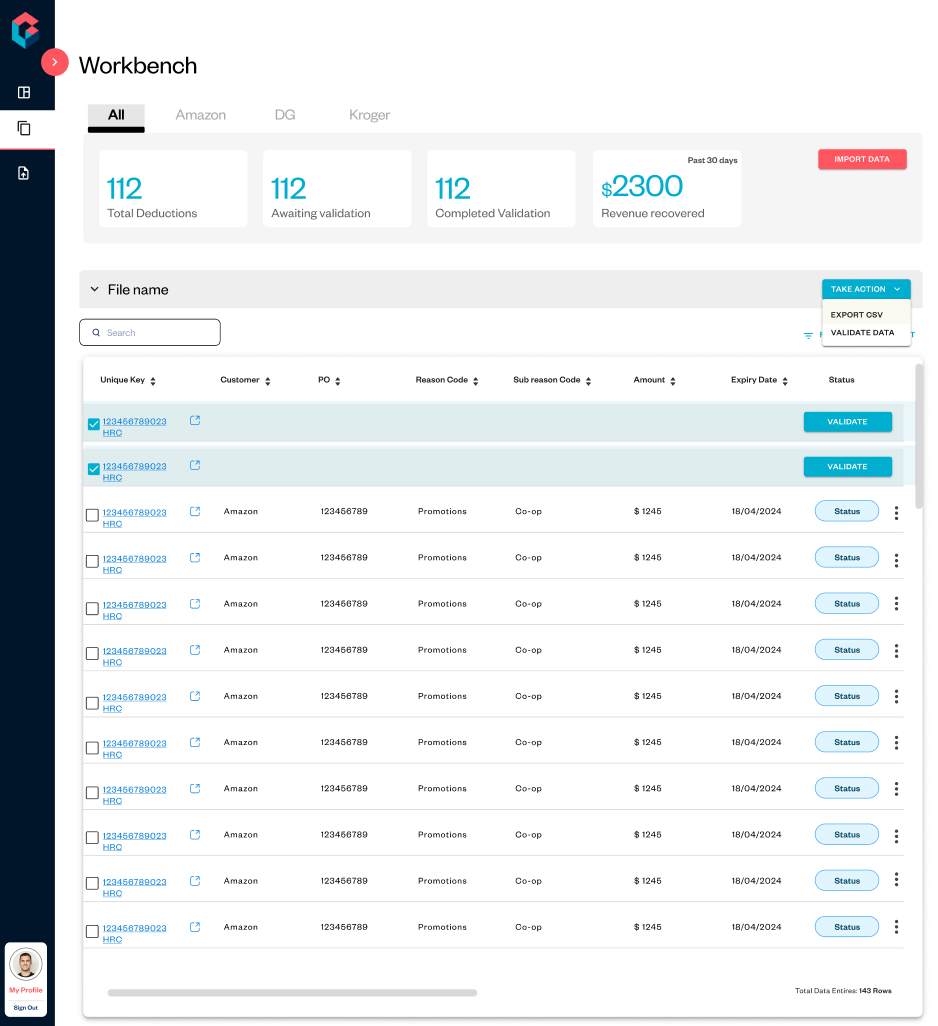
Analysts at Kellogg's were manually consolidating CSVs, Excel files, and 3P feeds every single day — with no standardized validation, no audit trails, and no centralized tooling. The process was error-prone, time-consuming, and made it nearly impossible to maintain accountability when discrepancies surfaced.
-
Built a configurable rules engine with schema auto-detection that could ingest data from multiple source formats and apply retailer-specific validation logic. Added confidence scoring to flag ambiguous records for human review, and delivered a searchable analyst dashboard with full audit lineage — giving analysts clarity on every automated decision the system made.
-
70% reduction in manual processing time · 35% faster overall processing · 95%+ recovery accuracy (target achieved) · <2% import error rate (target achieved)
-
The rules engine architecture was the most technically complex thing I'd product-managed up to that point. Getting the configuration model right — flexible enough for 20+ retailer variations but opinionated enough to enforce data quality — required deep collaboration with engineering and multiple rounds of stakeholder validation. Audit lineage wasn't in the original scope, but a single stakeholder conversation revealed it was the most important trust feature we could build. We added it and it became the feature users referenced most often.
Abbott: Headless Content Management for DTC>DTL Marketplace
Client/Employer:
Abbott Labs (via Rightpoint)
Industry:
Healthcare / Digital Wellness
Type:
AEM-Driven Web Marketplace & Data Lake
Technologies: Adobe AEM, GraphQL, React.js, Node.js, Azure Data Lake/Event Hub, Databricks, Power BI, Adobe Analytics, CosmoDB, Magento
Lifecycle Stages:
Discovery > Strategy > Design > Develop
Timeline:
February 2022 - April 2023
-
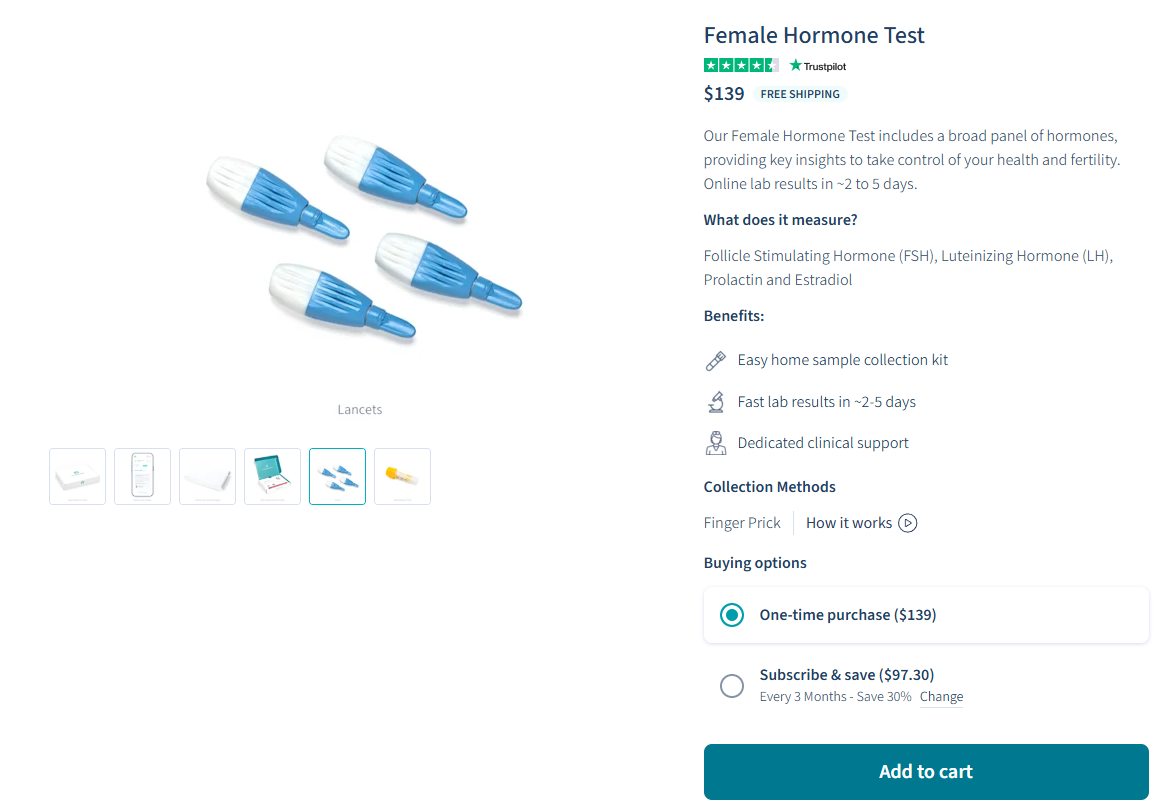
Abbott's digital wellness platform had no centralized CMS, fragmented data sources across commerce, lab, and provider systems, monthly deployment constraints that slowed content updates, and strict HIPAA and GDPR compliance requirements. The result was a digital experience that couldn't move at the speed the business needed.
-
Implemented an AEM headless CMS with GraphQL APIs feeding React components — enabling marketing teams to update content without engineering intervention. In parallel, built an event-driven Azure Data Lake architecture ingesting data from commerce, lab, and provider systems into Power BI dashboards for leadership, creating real-time visibility across the platform for the first time.
-
73% faster content deployment · 90% CMS adoption among marketing teams within 3 months · 75% dashboard utilization · 100% real-time event capture · Project became the catalyst for an Abbott-wide headless CMS migration strategy
-
This was the project that crystallized my understanding of enterprise content architecture as a product problem. The 73% deployment time improvement sounds like an infrastructure win — and it is — but the real outcome was that a marketing team that had been blocked for months suddenly had autonomy. Watching that shift happen in real time was one of the clearest examples I've seen of how infrastructure investment directly unlocks business value. The Abbott-wide migration that followed was validation on a scale I didn't expect.
FirstResponse EasyRead: Pregnancy Test App with ML & CV
Client/Employer:
Church & Dwight (via Rightpoint)
Industry:
Healthcare / Consumer Health
Type:
Mobile App (iOS/Android), Machine Learning & Computer Vision
Technologies:
Swift (iOS), Kotlin (Android), TensorFlow, Firebase Analytics, Greenlight Guru
Lifecycle Stages:
Design > Develop > Launch
Timeline:
October 2021 - March 2022
-
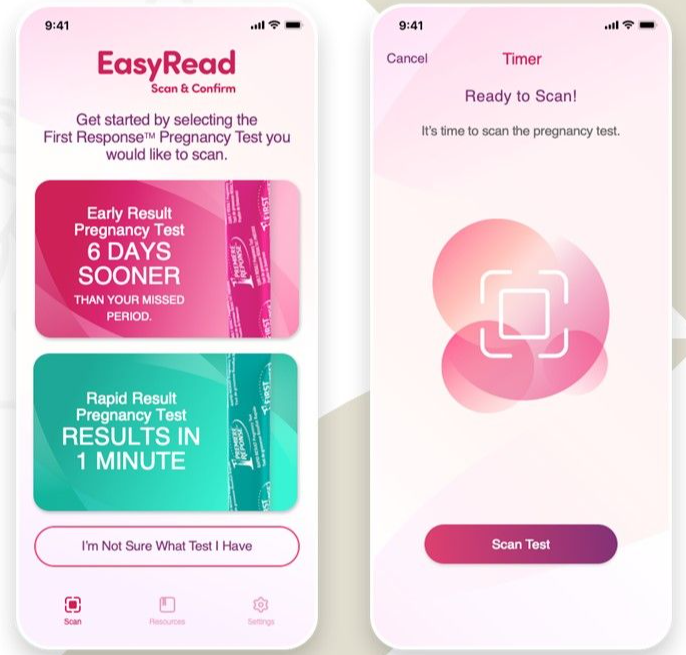
Users frequently lacked confidence interpreting at-home pregnancy test results — a genuinely high-stakes, emotionally charged moment. No trusted digital tool existed for image-based result validation, and any solution in this space required HIPAA compliance, careful privacy architecture, and an unusually high bar for accuracy and UX trust.
-
Built a HIPAA-compliant iOS and Android app using TensorFlow computer vision to scan, analyze, and validate test strip results with a confidence score. On-device processing was chosen deliberately to minimize privacy risk — raw image data never leaves the device. The UI was designed with ADA compliance and emotional sensitivity in mind: clear, calm, and confidence-instilling regardless of the result.
-
98%+ scan accuracy · 4.3+ star App Store rating · <5 second processing time · Full HIPAA compliance · ADA compliant UI · Continuously improving ML model via opt-in data contribution
-
This is the project I reference most often when talking about what it means to design for emotional context. The technical challenge (CV accuracy, on-device processing, regulatory compliance) was significant — but the design challenge was harder: how do you make someone feel held by a screen at one of the most vulnerable moments in their life? Every interaction decision in this app was made through that lens. The 4.3+ App Store rating, for a medical utility app, tells me we got it mostly right.
OasisVR: Immersive Web-based Virtual Event Space
Client/Employer:
Genpact (via Rightpoint)
Industry:
Professional Services / Digital Transformation
Type:
Web App, VR Based Experience, 3D Motion Graphics
Technologies:
React.js, WebGL, Three.js, Node.js, Contentful CMS, Google Analytics, OAuth/SSO
Lifecycle Stages:
Design > Develop
Timeline:
September 2021 - February 2022
-
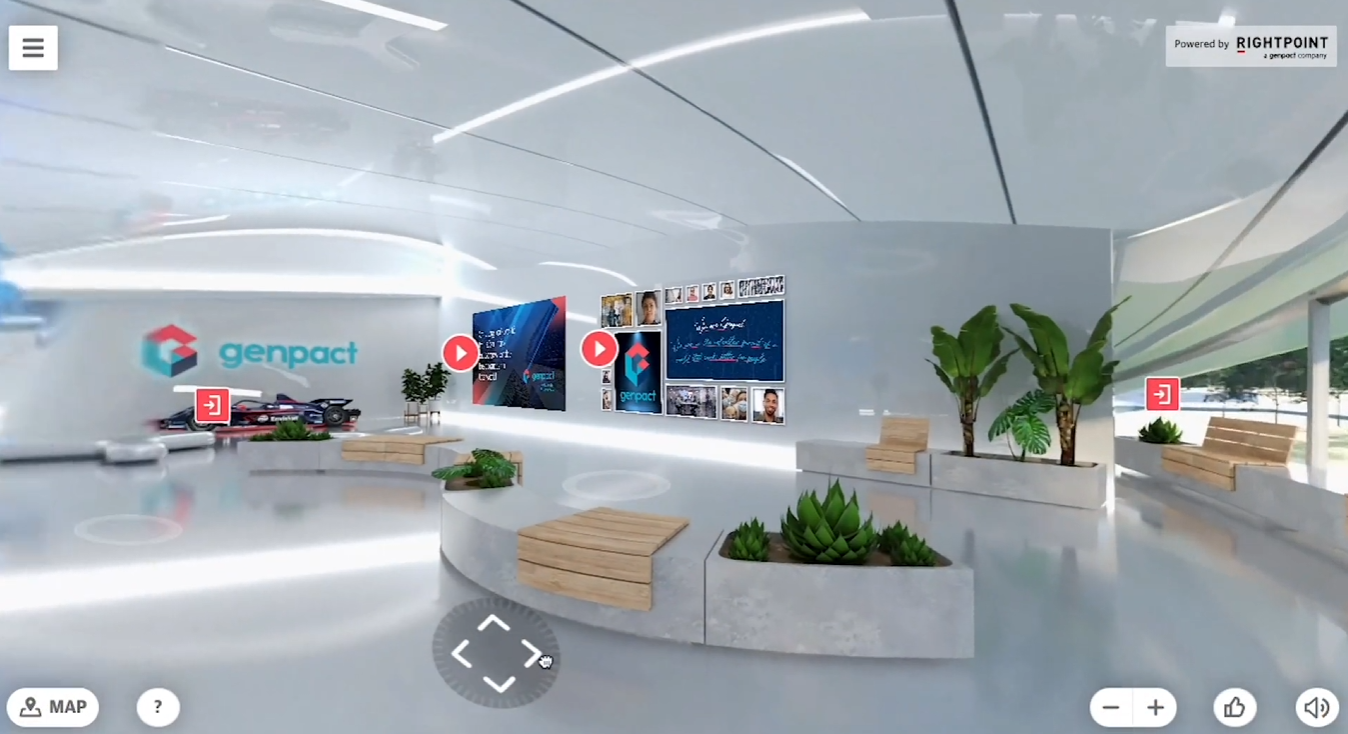
Traditional video conferencing was failing to create meaningful engagement for Genpact's large corporate events — attendees were passive, interaction was minimal, and the format had become exhausting. Genpact needed a branded, immersive alternative that could scale to enterprise events without requiring hardware (headsets) or technical expertise from attendees.
-
Delivered a WebGL-powered 3D walkable meeting space with interactive content zones, avatar navigation, and ambient spatial audio. Integrated Contentful CMS so marketing teams could manage event content and layouts without developer support. The experience ran entirely in a browser — no app download, no headset required.
-
64% of attendees engaged for 3+ minutes (vs. 50% target) · 78% post-event CSAT score (vs. 70% target) · Platform architecture reused for future Genpact events · Zero hardware requirements for attendees
-
Virtual event products often beg the 'is this worth the hassle?' question — and the no-headset, browser-native constraint was the right call even though it limited visual fidelity. The 3D environment wasn't trying to be VR; it was trying to be a place. That reframe shaped every design decision. The 64% 3-minute engagement rate validated that people were genuinely exploring, not just opening the link.
Future Forward: Internal Enterprise SharePoint Platform
Client/Employer:
Edward Jones (via Rightpoint)
Industry:
Financial Services / Wealth Management
Type:
SharePoint, Corporate Communications Site
Technologies:
SharePoint Online (SPFx), Microsoft Power Automate, Azure Active Directory, Power BI
Lifecycle Stages:
Discovery > Strategy > Design > Develop
Timeline:
March 2021 - September 2021
-
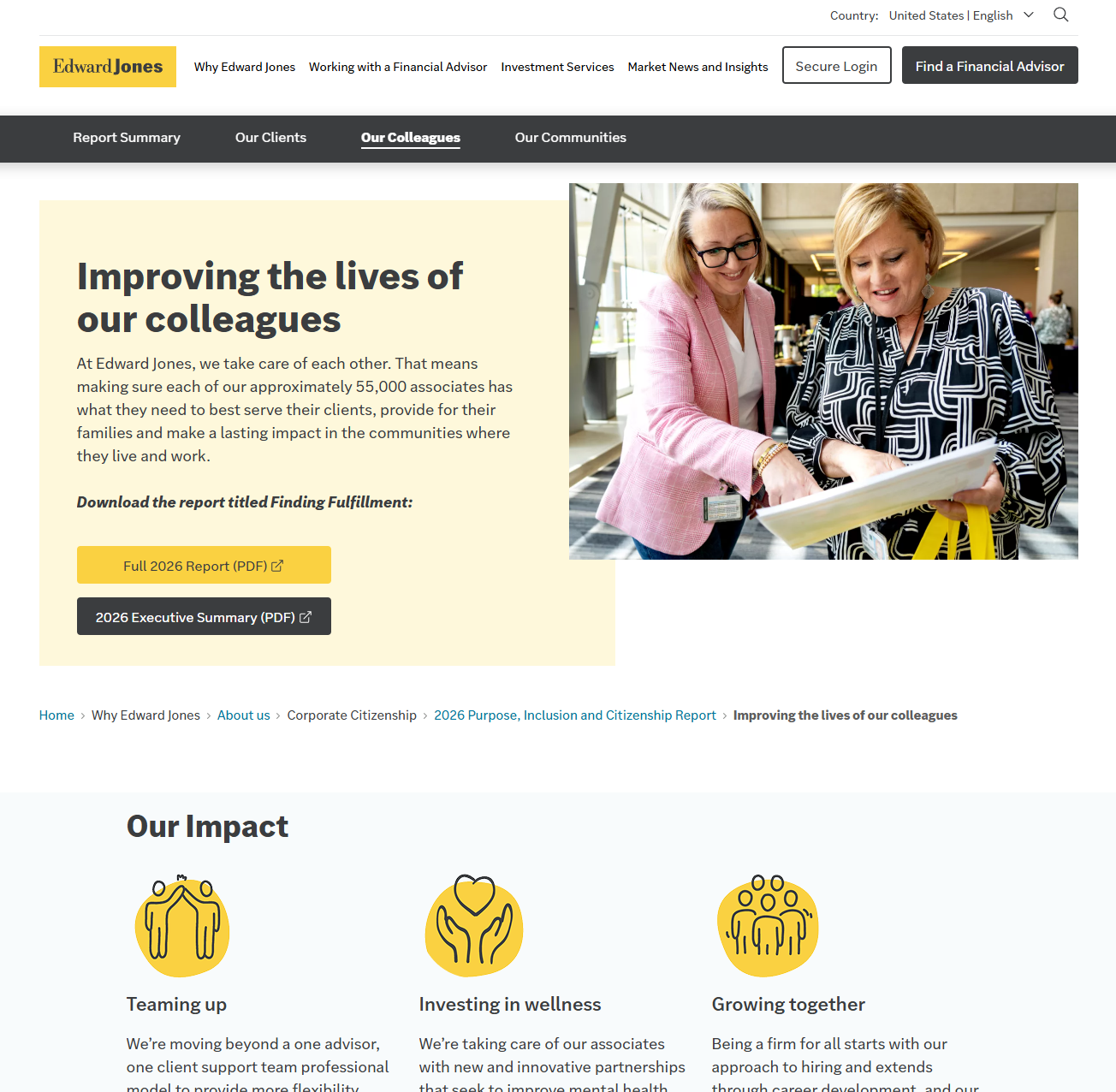
An estimated 85–95% of Edward Jones's 15,000+ financial advisors were not engaging with existing corporate communications. Content was static, non-personalized, and distributed through channels that didn't fit how a distributed field workforce actually worked. Leadership had no feedback loops and no engagement visibility.
-
Built a custom SharePoint Online platform named “Future Forward” with interactive Gantt roadmapping, role-based personalized content delivery, embedded feedback forms, and full mobile optimization. The personalization layer meant advisors saw content relevant to their region, role, and focus area — not a one-size-fits-all feed. Validated the design through advisor focus groups before build to ensure adoption from day one.
-
Engagement lifted from <15% to 55%+ within one month of launch · 2.1 second average page load · 50% faster content update cycle · 20% feedback form participation · Ongoing advisor feedback loop established for continuous improvement
-
The jump from <15% to 50%+ engagement in a single month is one of the largest behavioral changes I've seen from a product launch. But what I learned is that the number was downstream of something simpler: we asked advisors what they needed before we built anything. The focus groups were the most important investment we made on this project. The personalization architecture was the right solution because we discovered the right problem first.
Redbox On Demand: 10+ Platform Apps (Mobile, Web, OTT)


Client/Employer:
Redbox Automated Retail
Industry:
Entertainment / Streaming Media
Type:
Streaming Media Product & Content Operations
Technologies:
Roku SDK, Apple tvOS, Android TV, iOS (Swift), Conviva Metrics, Adobe Analytics, React Native
Lifecycle Stages:
Full Product Lifecycle (Employed 5 years)
Timeline:
May 2016 - March 2021
-
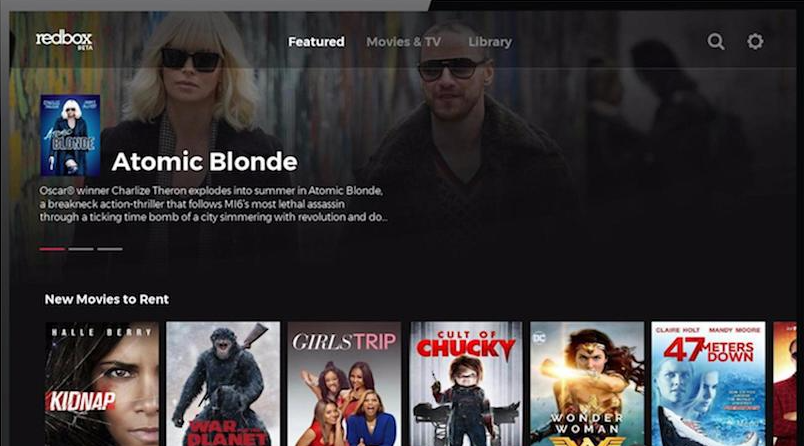
Redbox had built its brand entirely around physical DVD kiosks — a shrinking market. The streaming division, Redbox On Demand, was a fledgling product operating at $2M in annual revenue with a fragmented app footprint across 10+ OTT platforms (Roku, AppleTV, Xbox, PlayStation, iOS, Android, and more), no in-house CMS, and no consistent content discovery or pricing strategy. The challenge wasn't just building a streaming product — it was building one fast enough to matter, inside a company whose identity was built on plastic and red boxes.
-
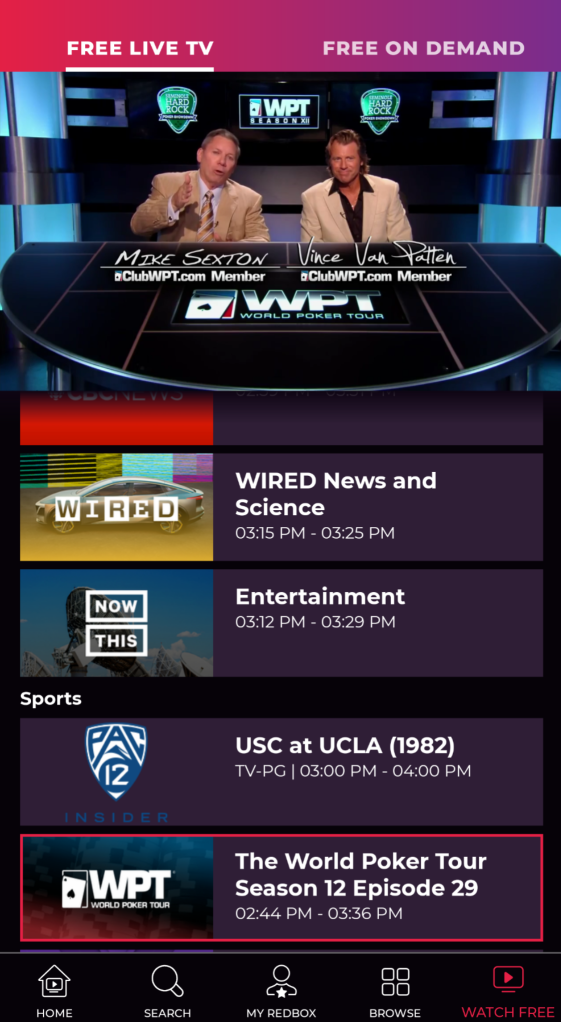
Co-managed the full product lifecycle across all Redbox On Demand platforms — owning the roadmap, backlog, and cross-functional coordination for a product that had to compete with Netflix, Vudu, and Amazon on a fraction of the budget. Replaced the legacy third-party CMS with an in-house platform that saved ~$350K annually in licensing costs and gave the team direct control over catalog operations. Built Python automation tooling to improve pricing and promotional workflows. Contributed to the launch of Free Live TV, expanding the platform's content offering and opening a new user acquisition channel. Ran continuous usability improvements across the app suite, and used analytics to drive content discovery enhancements that moved the revenue needle year over year.
-
Scaled Redbox On Demand revenue from $2M → $30M+ · Improved platform CSAT from 67% → 90%+ · In-house CMS saved ~$350K annually in licensing and operational costs · Expanded streaming catalog from 500 → 10,000+ titles · Supported 300+ title ingestions per week at peak · Successfully launched Free Live TV streaming product
-
Five years at Redbox taught me what it means to build a product under existential pressure. The kiosk business was declining and everyone knew it — which meant On Demand wasn't just a feature, it was a survival strategy. That context made prioritization unusually high-stakes: the wrong bets didn't just miss a quarter, they cost the company runway. What I took from it was a deep appreciation for speed without sloppiness — how to ship meaningful improvements fast, keep platform quality high across a dozen different device environments, and make a case for investment when the business case has to compete with a legacy cash cow. The jump from $2M to $30M+ in revenue is the number, but the real education was everything that happened in between.